

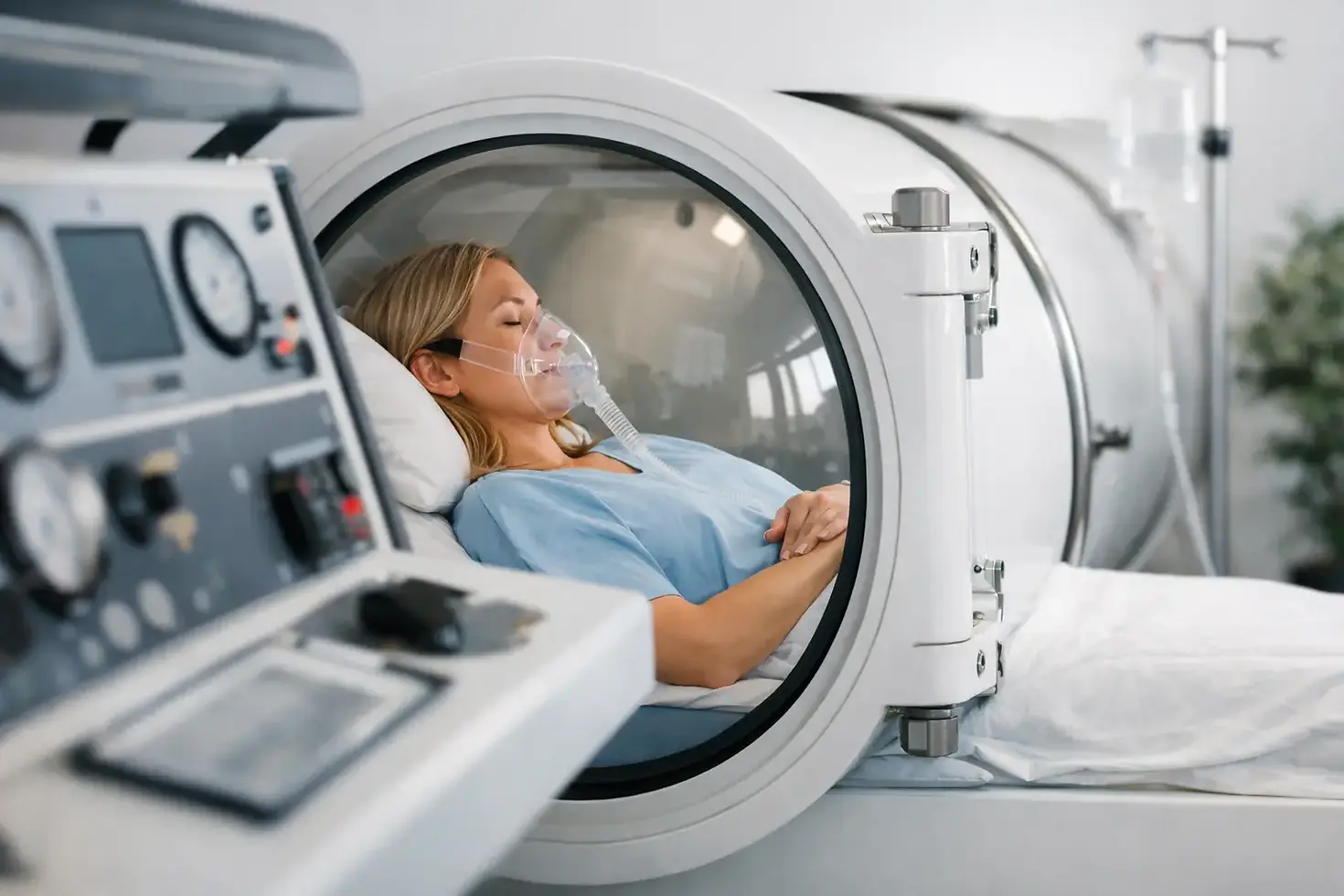
Is Hyperbaric Oxygen Therapy Good for You?

If you are asking, is hyperbaric oxygen therapy good for you, the real question is usually more specific. You may be trying to heal after surgery, calm persistent inflammation, recover from hard training, improve energy, or support mental clarity when your body feels stuck. Hyperbaric oxygen therapy, or HBOT, can be a strong tool for those goals, but the value depends on why you are using it, how consistent your sessions are, and whether the treatment plan fits your body and recovery needs.
HBOT works by increasing the amount of oxygen your body can carry and deliver to tissues. Inside a pressurized chamber, oxygen dissolves more effectively into plasma and reaches areas that may not be getting what they need under normal conditions. That matters because oxygen plays a direct role in tissue repair, circulation, inflammation response, and cellular energy production.
So, is hyperbaric oxygen therapy good for you? For many people, yes. It can support healing and recovery in ways that feel noticeable. But it is not a magic fix, and it is not the same experience for every person.
Is hyperbaric oxygen therapy good for you if you want faster recovery?
This is where HBOT tends to make the most sense. When the body is healing from physical stress, surgery, injury, or chronic irritation, oxygen demand goes up. If tissues are inflamed, swollen, or slow to recover, increased oxygen availability may help the repair process move more efficiently.
Many people seek HBOT because they are tired of waiting for their body to catch up. They want less downtime, better mobility, reduced soreness, and a more active return to normal life. In that context, HBOT can be a practical recovery therapy, not just a wellness add-on.
Post-surgical patients often look for help with swelling, bruising, and tissue recovery. People with chronic inflammation may be looking for less stiffness and better day-to-day function. Athletes and active adults may want support after training blocks, events, or repetitive strain. Professionals dealing with fatigue may simply want their energy to stop feeling flat. These are different use cases, but they all connect to the same basic principle - better oxygen delivery can support a body under stress.
That said, the biggest results usually come when HBOT is used as part of a structured plan. One session may feel relaxing or mentally refreshing, but repeated sessions are often what produce the more meaningful recovery effects.
What HBOT may help you feel
People often ask about benefits in simple terms: Will I feel better? Will I heal faster? Will I have more energy? Those are fair questions, and they matter more than technical explanations.
HBOT may support reduced inflammation, improved recovery after physical stress, better tissue healing, clearer mental focus, and a more stable sense of energy. Some people notice they sleep better. Others feel less pressure in overworked joints or less heaviness in the body after a series of sessions. For clients dealing with lingering fatigue, the benefit is not always a sudden jolt of energy. Sometimes it feels more like your body is not fighting as hard just to get through the day.
There is also a performance side to HBOT. When recovery improves, output often improves with it. If your system is less inflamed and better oxygenated, it becomes easier to train, work, and think with more consistency. That does not mean HBOT replaces good sleep, nutrition, movement, or medical care. It means it can strengthen the recovery side of the equation.
When hyperbaric oxygen therapy may be worth it
HBOT tends to be most worthwhile when you have a clear goal. If you are using it for a defined reason, it is easier to judge whether it is helping and easier to build the right session plan.
It may be worth considering if you are recovering from surgery, managing ongoing inflammation, dealing with physical wear and tear, trying to support soft tissue healing, or looking for a non-invasive way to improve recovery capacity. It can also make sense for people who are proactive about wellness and want to support energy, resilience, and healthy aging before problems become bigger.
The strongest candidates are usually people who understand that recovery is a process. HBOT is not passive self-care in the spa sense. It is a therapeutic intervention designed to support the body’s natural healing mechanisms. That is why pressure level, session frequency, and protocol design matter.
A clinic that can offer different pressure options has a real advantage here. Not every person needs the same intensity or the same approach. Someone coming in for general wellness may need a different protocol than someone recovering from a procedure or dealing with deeper inflammatory issues. Personalized treatment matters because the goal is not to simply put someone in a chamber. The goal is to match the therapy to the outcome.
Is hyperbaric oxygen therapy good for you in every case?
No, and that is where a lot of online content gets too simplistic. HBOT has real potential, but it is still a therapy, which means the right fit matters.
If your expectations are unrealistic, the experience may disappoint you. If you are dealing with a serious medical condition, HBOT should be viewed in the context of your broader care plan, not as a standalone answer. If your issue is rooted in lifestyle patterns that are constantly driving stress and inflammation, the therapy may help, but it will work better when combined with other changes.
There are also practical considerations. Some people need time to get comfortable with chamber sessions. Others may need guidance on how often to come in, how long to continue, and what signs of progress to watch for. Good providers do not oversell this. They explain what the therapy can realistically support and where the limits are.
Safety and suitability matter too. HBOT is non-invasive, but that does not mean every person should start without screening. A responsible provider will ask the right questions, review your goals, and make sure the treatment is appropriate before building a plan.
What results should you expect from HBOT?
The most useful answer is this: expect progress, not perfection.
Some clients feel benefits quickly, especially around relaxation, mental clarity, or post-session energy. Others notice change more gradually as inflammation settles and recovery compounds over time. If your body has been dealing with stress for months or years, it is reasonable to expect that improvement may take more than one or two visits.
Results also depend on what you are measuring. For one person, success may mean less swelling and a smoother recovery after surgery. For another, it may mean fewer bad fatigue days, better training recovery, or improved comfort in stiff areas that have not responded well to rest alone.
This is why clear goals matter. When you know what you want HBOT to do, the process becomes much easier to evaluate.
How to decide if hyperbaric oxygen therapy is good for you
Start with the problem you want to solve. Are you trying to heal, reduce inflammation, improve recovery, support energy, or stay ahead of wear and tear? Then ask whether a non-invasive oxygen-based therapy fits that goal better than simply waiting and hoping things improve on their own.
Next, think about consistency. HBOT is often most effective when used in a series, not as a one-time experience. If you are willing to commit to a plan and want a therapy that works with the body rather than against it, that is a good sign you may benefit.
Finally, choose a provider that treats HBOT like a recovery service, not a trend. The right setting should feel clinically grounded, straightforward, and focused on outcomes. In Coeur d’Alene, Ultimate Hyperbaric Health and Recovery stands out for that reason, especially for clients who want flexible pressure options and a more personalized approach to healing and wellness support.
For many adults, HBOT is not about chasing a miracle. It is about giving the body more of what it needs to repair, perform, and feel better. If that is the goal, hyperbaric oxygen therapy may be a very smart next step.


Comments